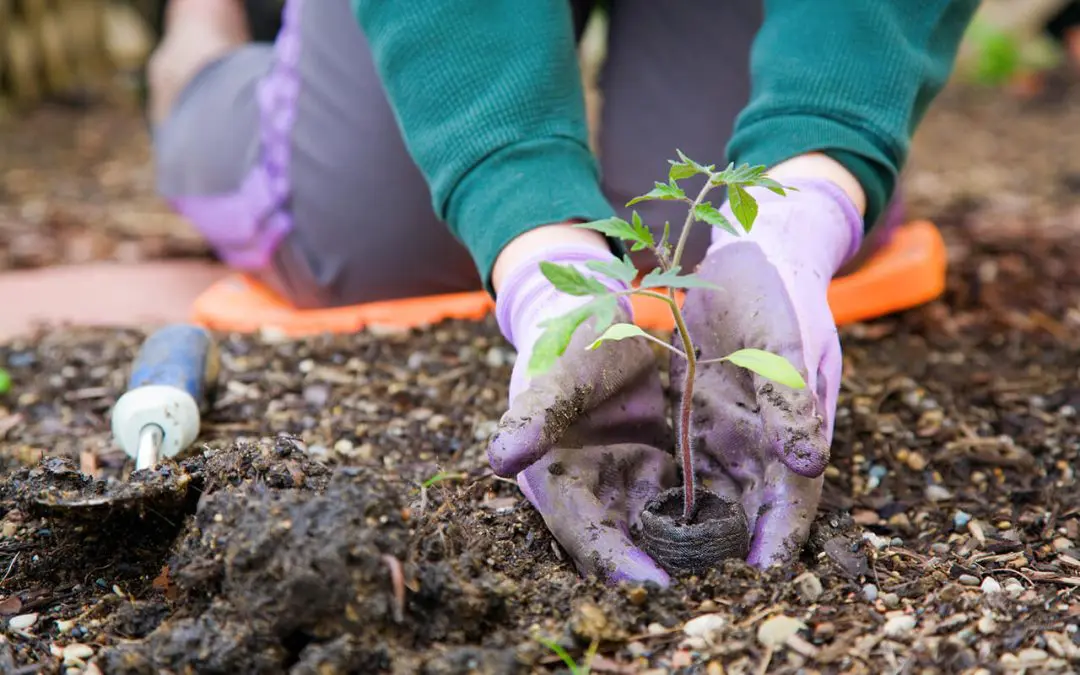
It’s important to take the time to prepare your garden for Spring to set the stage for a season full of color, growth, and outdoor enjoyment. After months of cold weather, gardens often need a little attention to bounce back. With a few thoughtful steps, homeowners can refresh their soil, revive plants, and create a healthy environment where flowers, vegetables, and greenery will flourish. Whether the space is large or small, taking the time to prepare your garden early in the season helps guarantee stronger plants and better results throughout the year.
Why It’s Important to Prepare Your Garden for Spring
Preparing the garden before the growing season begins gives plants the best possible start. Winter may compact soil, leave behind debris, and weaken plant structures. By cleaning, conditioning the soil, and assessing plant health, the garden becomes a more supportive environment for new growth. Spring preparation allows homeowners to identify potential problems early. Pests, diseases, and damaged plants should be addressed before they spread. When the garden is well-prepared, plants grow stronger roots, absorb nutrients more effectively, and produce more vibrant blooms and healthier harvests.
Clean and Clear Your Garden Beds
One of the first steps to prepare your garden is removing the remnants of winter. Fallen leaves, dead plants, and leftover debris may block sunlight and trap moisture that encourages disease. Clearing garden beds allows fresh air and light to reach the soil. During this process, pruning damaged branches and removing dead growth helps plants redirect their energy toward healthy development. It’s also a good time to pull early weeds before they establish deep roots. A clean garden bed instantly improves the appearance of the yard and sets the foundation for the rest of the season.
Prepare Your Garden Soil for Healthy Growth
Healthy soil is the backbone of every successful garden. To properly prepare your garden, start by loosening compacted soil using a garden fork or tiller. This improves drainage and allows roots to expand more easily. Adding organic matter such as compost or aged manure enriches the soil with nutrients and beneficial microorganisms. These materials help retain moisture while still allowing proper drainage. Testing the soil’s pH provides valuable insight into which plants will thrive or whether adjustments are needed. When the soil is properly nourished, plants grow faster and remain more resilient against stress.
Plan What to Plant Before the Season Begins
Spring preparation is also the ideal time to think about the garden’s layout and planting strategy. Deciding what to plant early helps homeowners make the most of their available space and growing conditions. Consider factors such as sunlight exposure, soil type, and watering needs. Grouping plants with similar requirements together will make maintenance easier throughout the season. Rotating crops in vegetable gardens is another smart strategy that prevents soil depletion and reduces the risk of disease. Thoughtful planning now saves time and effort later in the growing season.
Refresh Mulch and Protect New Plants
Mulch plays an important role in maintaining a healthy garden environment. Once the soil has been prepared, adding a fresh layer of mulch helps regulate temperature, retain moisture, and suppress weeds. Organic mulches such as bark, straw, or shredded leaves gradually break down and improve soil quality over time. Applying mulch around plants protects delicate roots while also giving garden beds a neat, finished appearance.
Inspect Tools and Garden Structures
Garden preparation isn’t limited to plants and soil. Tools, containers, and structures should also be inspected before the busy growing season begins. Cleaning and sharpening garden tools makes them easier to use and prevents the spread of plant diseases. Checking fences, raised beds, trellises, and irrigation systems ensures everything is ready for planting. Repairing these items early prevents disruptions later when plants are actively growing and need consistent care.
Prepare Your Garden for a Productive Season
Taking the time to prepare your garden in early spring creates the conditions needed for lasting success. Clean beds, nutrient-rich soil, and thoughtful planning all contribute to stronger plants and more enjoyable outdoor spaces. Gardening doesn’t have to be complicated to be rewarding. With steady preparation and attention to detail, homeowners will transform their gardens into vibrant, healthy environments that continue to flourish throughout the warmer months.
Frequently Asked Questions (FAQs)
When should you start to prepare your garden for spring?
Garden preparation usually begins once the soil is no longer frozen and becomes workable. In many regions, this occurs in late winter or early spring.
How do you know if your soil is ready for planting?
A simple test is to squeeze a handful of soil. If it crumbles easily rather than forming a wet clump, it’s ready to work with. Soil that is too wet could become compacted when tilled, which may hinder plant growth later.
Do all gardens need compost in spring?
While not every garden requires large amounts of compost, most soils benefit from additional organic matter. Compost improves soil structure, enhances nutrient availability, and supports beneficial microorganisms that help plants thrive.
Should you remove all mulch before spring?
Old mulch doesn’t always need to be removed completely. In many cases, it can be mixed lightly into the soil as organic matter before adding a fresh layer. However, mulch that has become moldy or compacted should be replaced.
Wild Rose Property Inspection provides professional home inspection services to customers in the Alberta area. If you’re buying or selling a property, contact us to request an appointment.