Mold can develop quietly and spread quickly, which is why recognizing the early signs of mold is essential for every homeowner. Often growing in damp, dark environments, mold may not always be immediately visible. However, subtle clues can reveal its presence long before it becomes a major problem.
Understanding what to look for helps prevent structural damage and protects indoor air quality. Mold growth isn’t just a cosmetic issue—it can affect both your home and your health. By learning how to identify early warning signs, homeowners can take action before the situation worsens.
Visible Signs of Mold in Common Areas
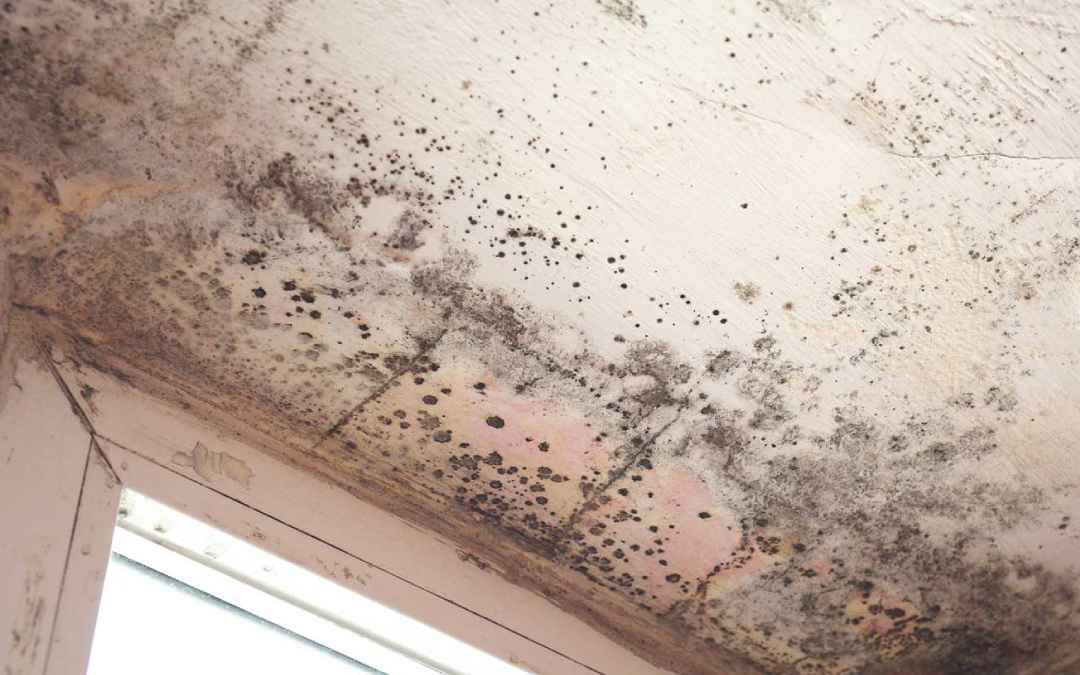
One of the most obvious signs of mold is visible discoloration on surfaces. Mold can appear as black, green, gray, or even white spots on walls, ceilings, grout, or wood. While it may resemble dirt or stains, mold tends to grow and spread over time.
Bathrooms, basements, and kitchens are common hotspots because they frequently experience moisture buildup. Areas around windows, under sinks, and near leaky pipes are also prone to growth. Even small patches should be taken seriously, as they can indicate larger hidden colonies behind walls or under flooring.
If discoloration keeps returning after cleaning, it may be a strong indication that mold is growing beneath the surface.
Musty Odors Are Strong Signs
A persistent musty smell is often one of the earliest and most overlooked signs of mold. Even if no visible growth is present, an earthy or damp odor can signal hidden mold colonies.
These smells often develop in enclosed areas like closets, crawl spaces, or behind drywall. Unlike normal household odors, mold-related smells tend to linger and intensify over time. Air fresheners may temporarily mask the scent, but they won’t eliminate the root cause.
If a musty odor seems stronger in certain rooms or after humidity increases, it’s worth investigating further.
Linked to Water Damage
Water damage and mold often go hand in hand. Stains on ceilings or walls, peeling paint, and warped materials are all potential signs of mold growth following leaks or flooding.
Even past water damage that seemed resolved can create conditions for mold to thrive. Moisture trapped behind surfaces may allow mold to grow unnoticed for months. Bubbling wallpaper or soft drywall may indicate that moisture is still present.
Homes that have experienced roof leaks, plumbing failures, or basement flooding should be monitored closely for ongoing signs of mold.
Health Symptoms That May Indicate Signs of Mold
In some cases, the body notices mold before the eyes do. Unexplained allergy-like symptoms can sometimes be linked to indoor mold exposure. Sneezing, coughing, itchy eyes, and congestion that improve when leaving the home may be subtle warning signs.
Some individuals may also experience headaches, fatigue, or throat irritation in mold-affected environments. While symptoms vary from person to person, persistent issues without a clear cause may warrant a closer look at indoor air quality.
If multiple household members notice similar symptoms, it may strengthen the possibility of hidden mold growth.
Hidden Signs of Mold Behind Walls and Floors
Not all mold is easy to spot. Hidden growth can develop inside walls, under carpets, or behind cabinets where moisture collects unnoticed. Warped flooring, loose tiles, or unexplained bubbling paint may signal concealed mold problems.
Condensation around windows or excessive indoor humidity can also create conditions for hidden mold. Areas with poor ventilation are particularly vulnerable.
If structural changes appear without an obvious reason, it may be time to investigate deeper. Ignoring hidden signs of mold can allow the problem to spread and become more expensive to resolve.
Why Acting Quickly on Signs of Mold Matters
Addressing mold early can prevent both structural damage and costly remediation. Mold spreads rapidly in the right conditions, feeding on organic materials like wood, drywall, and insulation. The longer it remains untreated, the more extensive the damage can become.
Beyond physical damage, mold can also impact property value. Potential buyers often view mold as a serious red flag, which can complicate future sales. Acting quickly helps preserve both the home’s integrity and its long-term worth.
Early detection allows for simpler solutions, such as improving ventilation, repairing leaks, or treating small affected areas before widespread remediation becomes necessary.
FAQs About Signs of Mold in the Home
What are the first signs of mold in a house?
The earliest signs of mold often include musty odors, minor discoloration on surfaces, and increased allergy-like symptoms. These subtle clues may appear before visible growth becomes obvious.
Can mold grow without being visible?
Yes, mold can grow behind walls, under flooring, or inside HVAC systems where it isn’t easily seen. Hidden mold often reveals itself through odors or structural changes.
Is mold always caused by water damage?
Mold thrives in moisture-rich environments, but not all growth follows major water damage. High humidity, poor ventilation, and small leaks can also create ideal conditions.
Are signs of mold dangerous?
Some molds can affect indoor air quality and trigger health symptoms, especially for sensitive individuals. Identifying and addressing mold early helps reduce potential risks.
When should homeowners call a professional?
If mold covers a large area, keeps returning, or is suspected behind walls, professional inspection is recommended. Experts can assess the extent of the problem and recommend safe removal methods.
Recognizing the early signs of mold is key to protecting both your home and your well-being. By staying alert to visual clues, unusual odors, and subtle changes in your environment, homeowners can catch mold problems early and take action before they escalate. A proactive approach ensures a safer, healthier living space for years to come.
Wild Rose Property Inspection provides professional home inspection services to customers in the Alberta area. If you’re buying or selling a property, contact us to request an appointment.